Psychedelics are a diverse group of substances known for their ability to significantly alter perception, cognition, mood, and one’s experience of consciousness. Unlike substances that primarily produce sedation or stimulation, classic psychedelics can create profound changes in how people perceive their surroundings, emotions, memories, and sense of self. The term generally includes substances such as psilocybin, LSD, DMT, and mescaline. Although these compounds differ chemically and can produce different experiences, many classic psychedelics influence the brain’s serotonin system, particularly the 5-HT2A receptor. Psychedelics have attracted growing scientific interest because researchers are investigating their potential roles in understanding consciousness, mental health, perception, and human behavior. At the same time, they can produce unpredictable experiences and significant psychological effects, making accurate education and responsible discussion important.
Understanding Magic Mushrooms
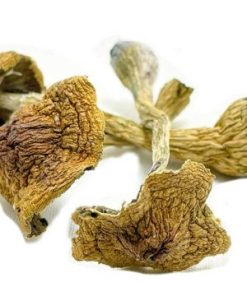
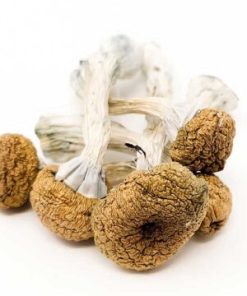
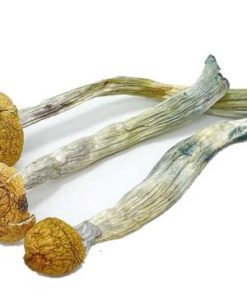
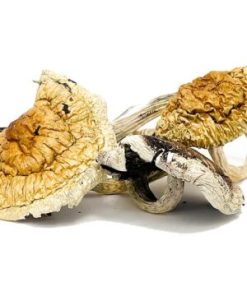
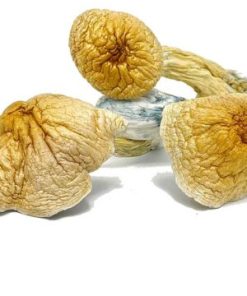
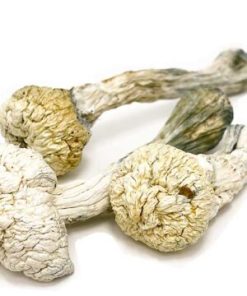
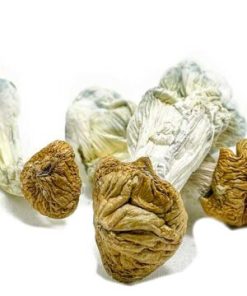
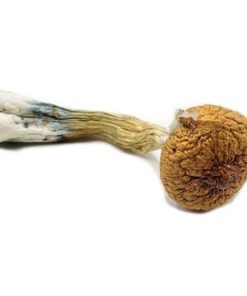
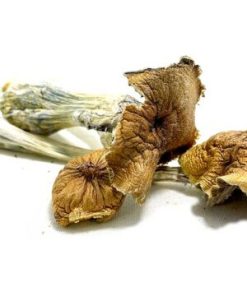
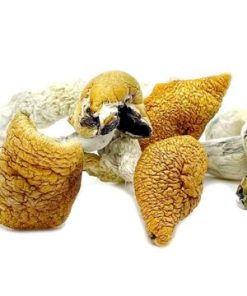
Magic mushrooms is a common term for fungi that contain psilocybin and related compounds. Psilocybin is converted by the body into psilocin, the compound primarily responsible for the psychedelic effects.Hundreds of mushroom species are associated with naturally occurring psilocybin, although their chemical composition and potency can vary considerably. This variation is one reason why experiences can be unpredictable. After consumption, psilocybin is metabolized into psilocin, which interacts with serotonin receptors in the brain. This can temporarily change communication between different brain networks and alter ordinary patterns of perception and thought.